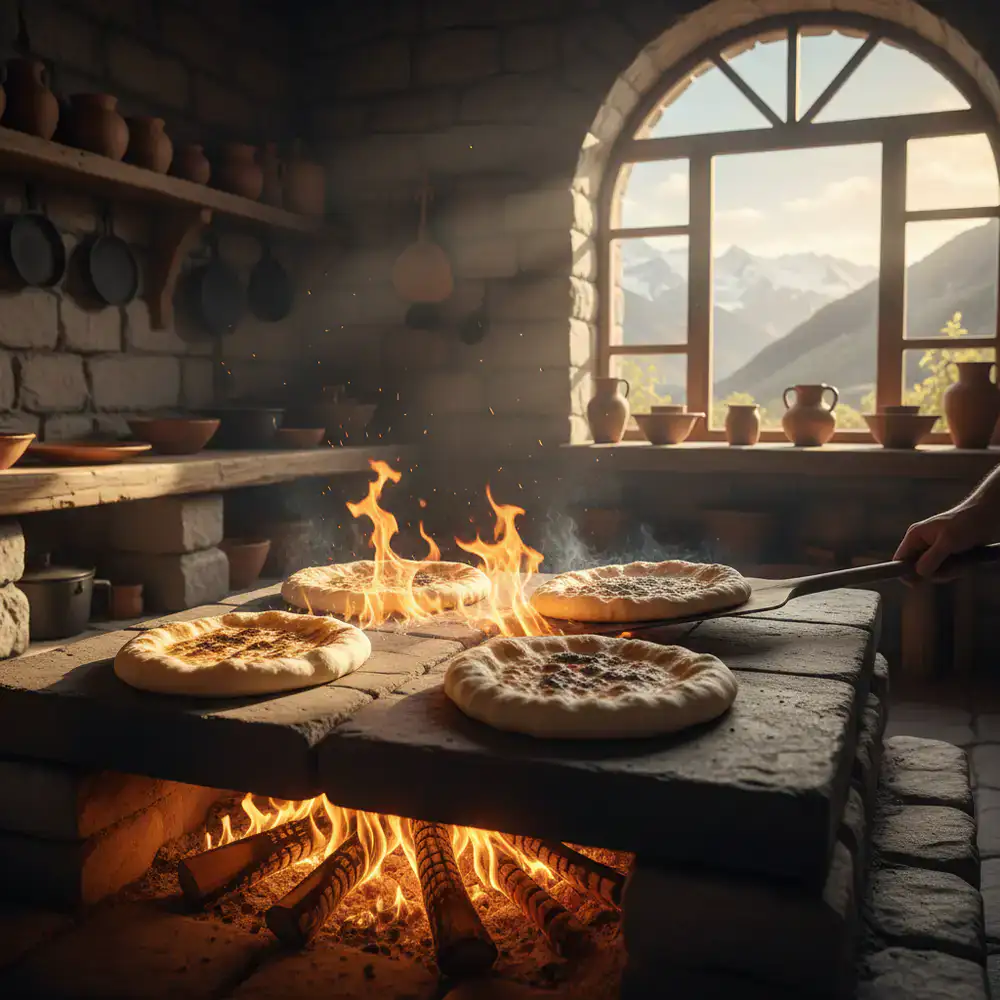
The Mountain Hearth
Robust, warming spices and slow-cooking techniques designed for cooler altitudes. Experience the depth of slow-braised meats and hearty whole grains that offer ultimate comfort.
View Recipes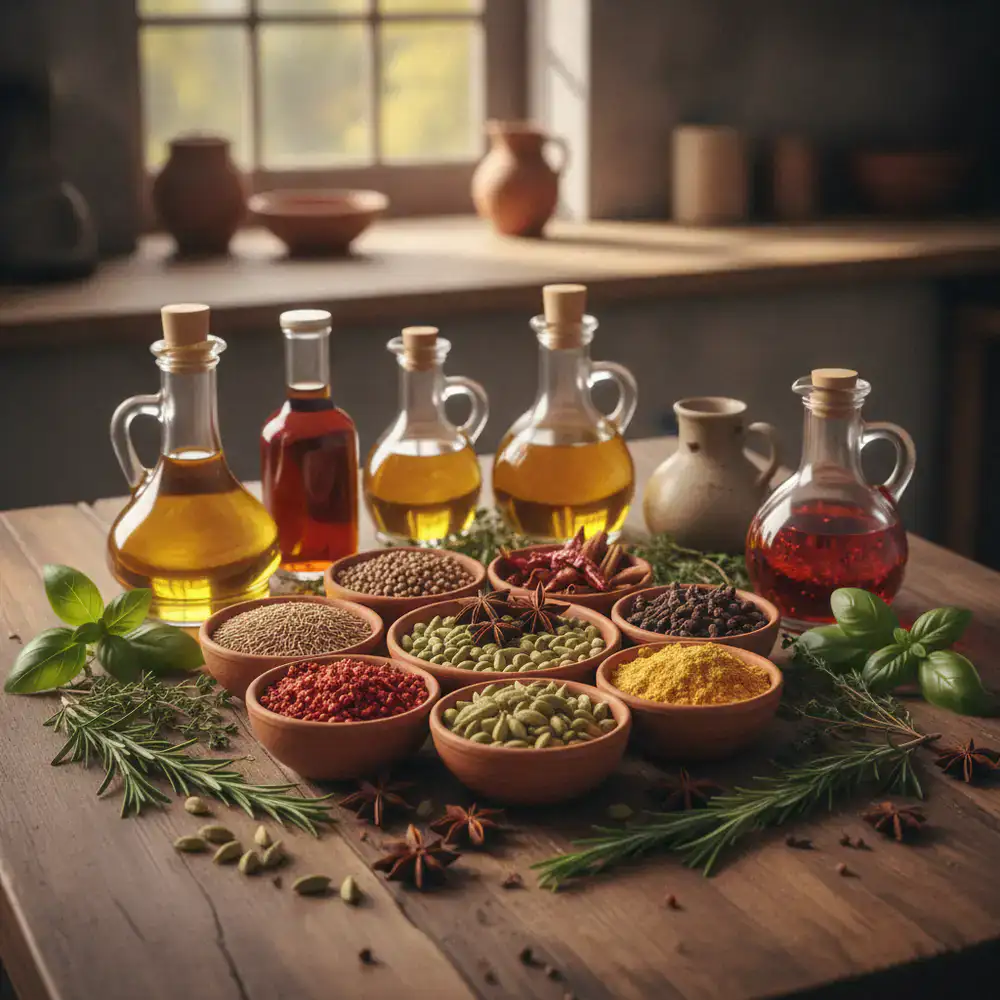
Embark on a journey through diverse culinary traditions. From robust mountain hearths to vibrant coastal kitchens, explore the distinct profiles that define authentic, flavourful cooking.
Every landscape offers its own pantry. Discover how distinct geographies shape unique cooking techniques and ingredient pairings.
Robust, warming spices and slow-cooking techniques designed for cooler altitudes. Experience the depth of slow-braised meats and hearty whole grains that offer ultimate comfort.
View RecipesLighter fare utilizing fresh catches, tempered with rich coconut milk, sharp tamarind, and bright finishing herbs.
Explore Coastal FareThe breadbasket regions bring vibrant vegetable curries, mustard oil tempering, and deeply aged basmati rice traditions.
Explore Plains CookingNature dictates the finest ingredients. Our seasonal guides ensure you are cooking with produce and spices at their absolute peak flavour.
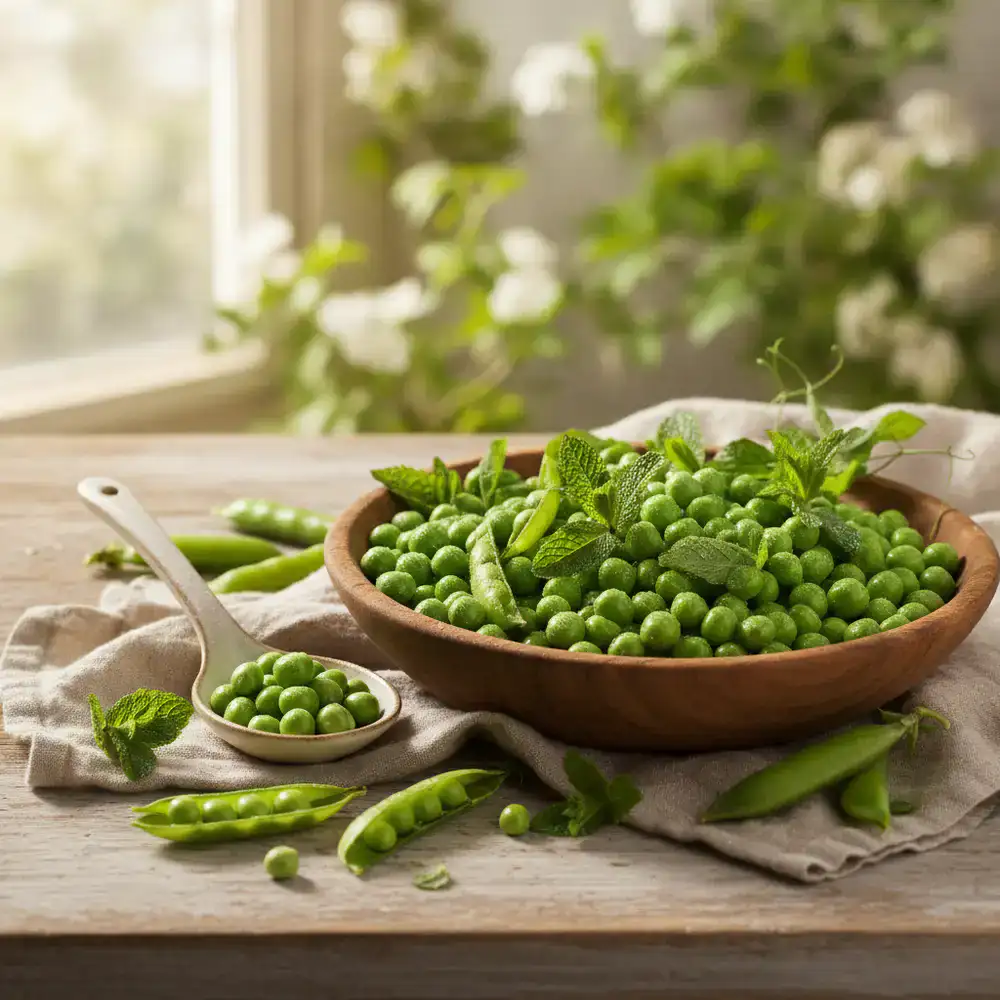
Light, fragrant dishes featuring tender young greens, fresh peas, and mild green chilies to welcome the warmth.
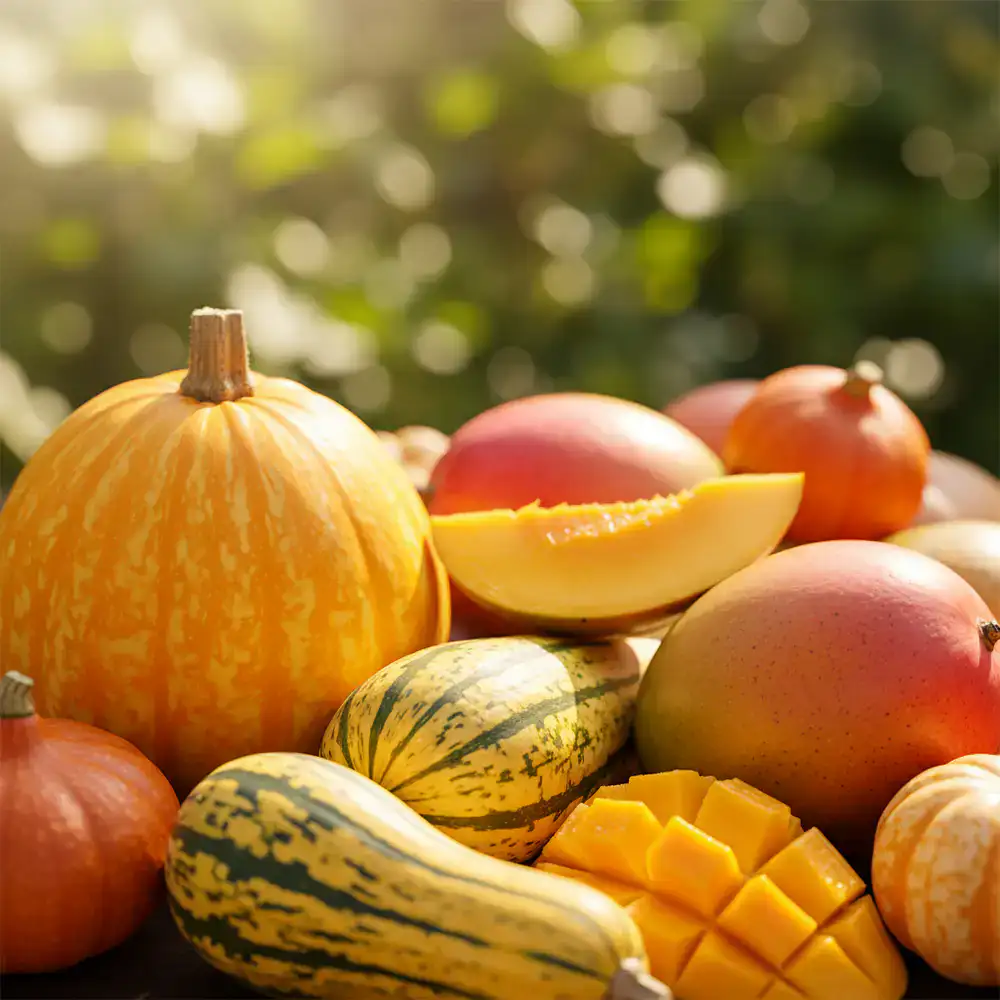
Cooling yogurt bases, sweet-sour ripe mango profiles, and light broths designed for hot, long days.
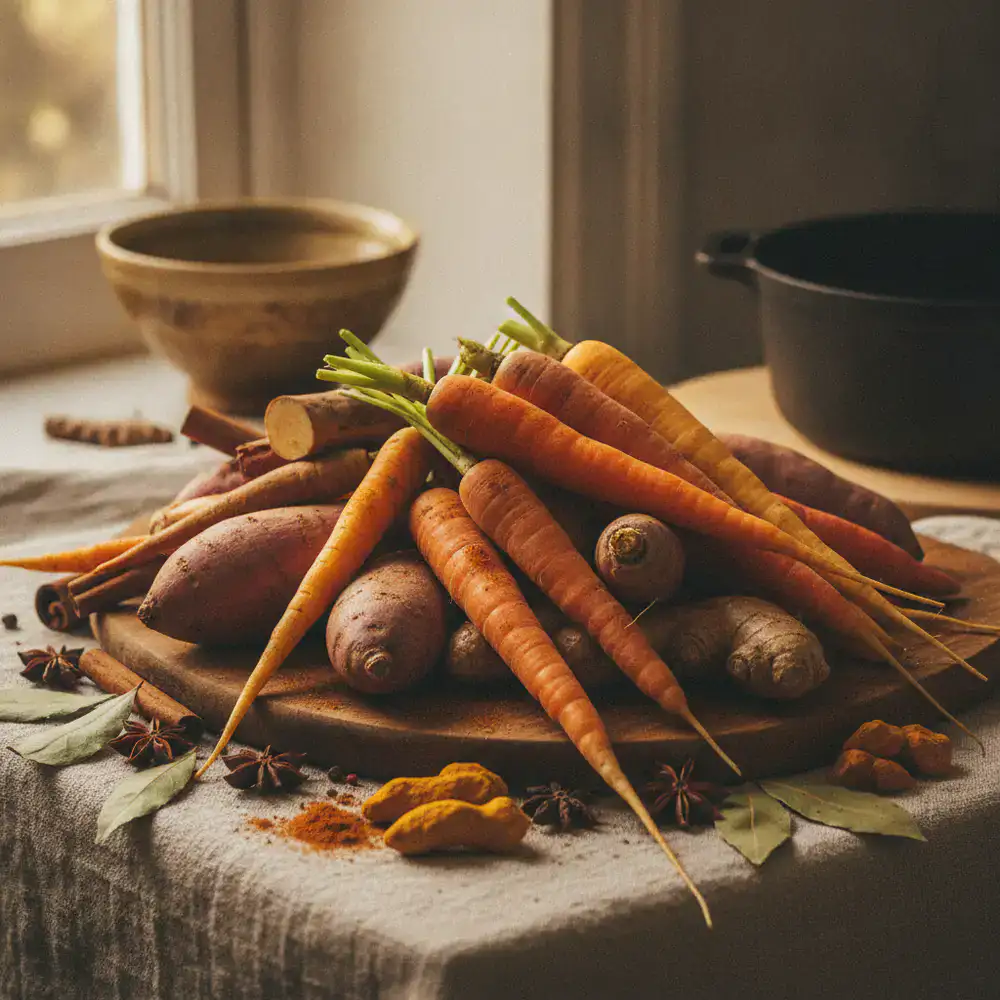
Transition into cooler weather with earthy root vegetables, roasted aromatics, and deeply colored gravies.
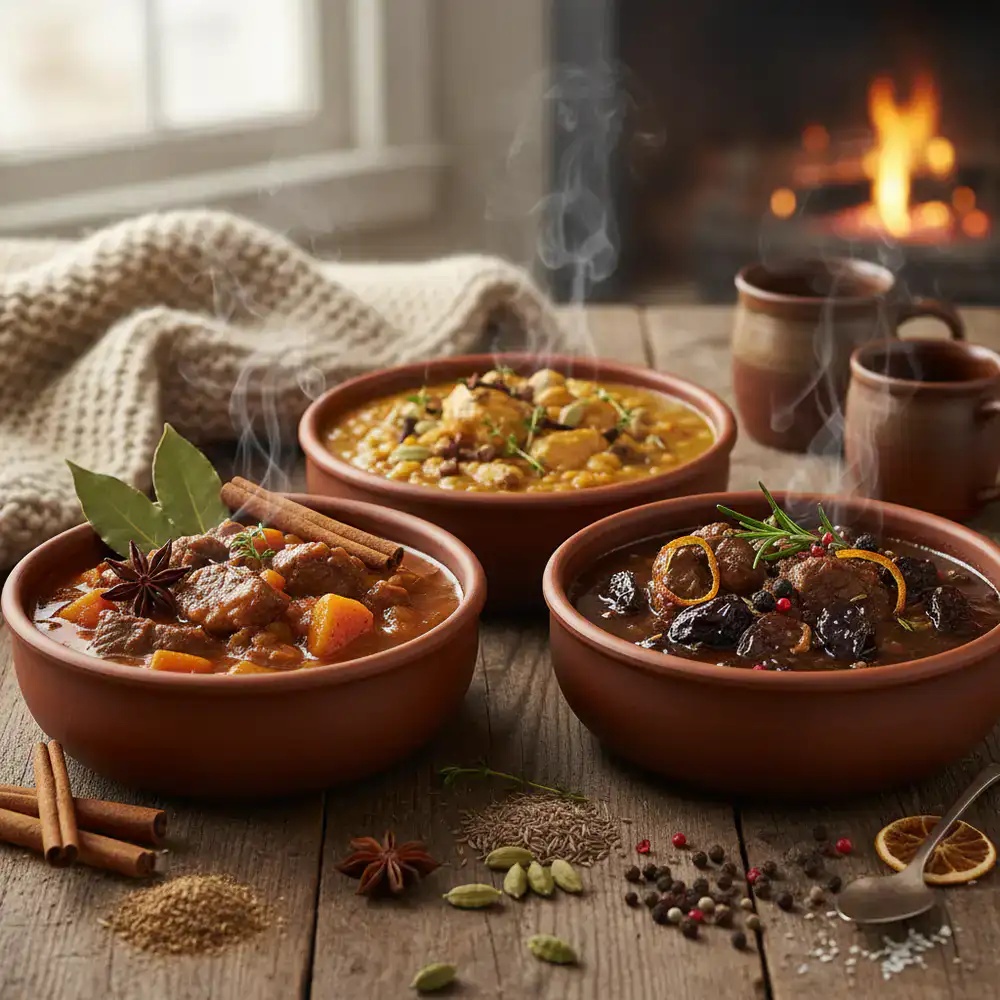
Rich, slow-simmered braises, heavy creams, and complex spice blends meant to warm the spirit from the inside out.
Elevate your daily cooking from routine to remarkable with these foundational professional practices used in traditional kitchens.
Ask the CommunityBlooming whole spices in hot oil or clarified butter releases their essential oils into the cooking fat. This technique creates a complex, aromatic foundation that ground spices alone simply cannot achieve. Always monitor heat to prevent scorching.
If a dish feels overwhelmingly fiery, do not dilute it with water. Instead, balance the chili heat by introducing an acidic element like tamarind paste, plain yogurt, or a squeeze of fresh lime juice to round out the flavour profile beautifully.
Whether it is a marinated cut of meat before grilling or a freshly simmered lentil stew, allowing the dish to rest off the heat lets the complex flavours meld. Stews and curries are often notably better the following day.
A quick reference guide to keep nearby during your kitchen experiments.
Onion, garlic, and ginger form the aromatic base of countless recipes. Always sauté onions until deeply golden before introducing the ginger-garlic paste to prevent raw flavours from dominating.
Unlike turmeric or coriander powder which need cooking out, garam masala is best sprinkled lightly over a dish near the end of cooking to preserve its delicate, volatile aromatics.
Standard sea salt builds the base, but consider finishing savory snacks or yogurt-based sides with black salt (kala namak) for an unmistakably tangy, sulfurous kick that elevates the whole plate.
Use dried fenugreek leaves (kasuri methi) crushed gently between your palms to add earthy depth to rich sauces, but rely on fresh cilantro strictly for bright, crisp finishing garnishes.